Are They Even Reading It?

A Practical Guide to Not Losing Your Mind While Your Book Is in Someone Else’s Hands
Earlier this year, I finished my first draft of The Cardinal Witch. Like any first draft, it’s kind of a hot mess. That’s what rough drafts are. At least mine are. Then I handed it off to my three trusted beta readers. And yes, I know, there’s such a thing as alpha readers and beta readers… I’ve always called mine beta readers and that will never change. But I digress.
Now that I’ve handed the manuscript draft over, I’m faced with a two-month window of time where I can’t touch my book. Can’t lay a finger on it. I can’t fix anything they’re reading, and I know they’re reading a hot-mess-first-draft.
What if they hate it? What if it doesn’t have the potential, I think it does? What if they hate my characters? My arcs? My ending?

It is enough to make you break out in a cold sweat and curl up with that pint of ice cream you’ve been eyeing. No judgement here. Been there. Done that. Tasty but only a temporary fix. Are you facing the same dilemma? Wanting beta reader feedback but panicky about handing over your baby? Well, first, here’s what NOT to do while you wait.
What Not to Do While Waiting
No matter what you try to do, you will wonder. You will fret. You will catastrophize at some point. That’s normal. You’re okay. But don’t let it turn into an obsession:
Don’t rewrite the entire book out of anxiety
Don’t stalk your beta readers’ social media
Don’t ask your beta readers how its going every single day
Don’t assume silence = disaster
Don’t start a brand-new novel out of panic
Don’t catastrophize every choice you made
A couple of my favorites on this list are silence and catastrophy. Sometimes it is hard to get that self-doubt out of your head. And I do check in with my readers but I don’t do it every day (I’m sure if I did they would tell me to pound sand and never do it again). But every now and then I’ll send a quick “how’s it going” note.
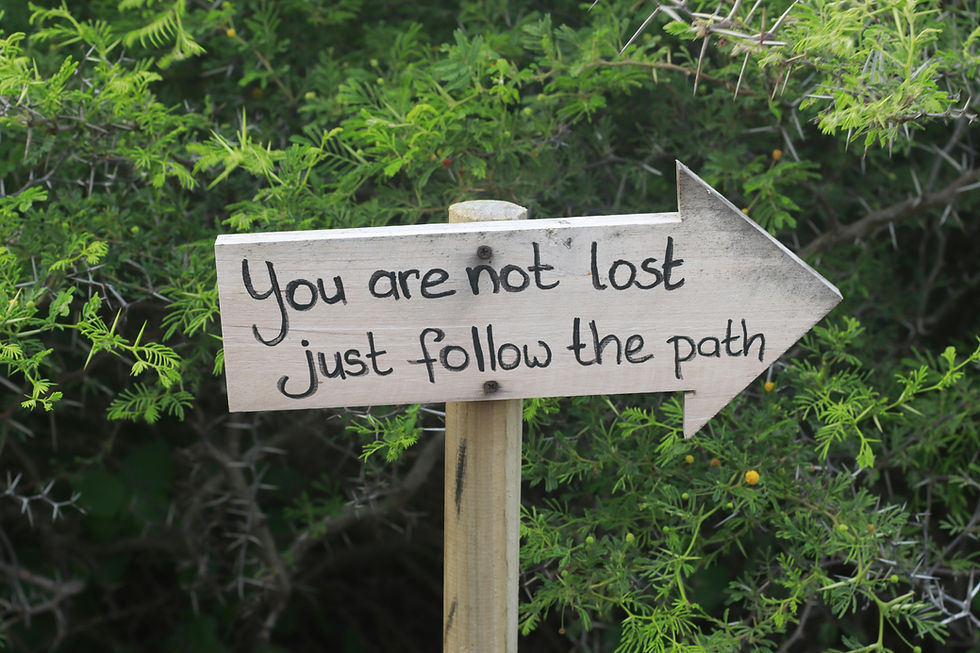
Now that you’ve reminded yourself what not to do, here are three potential paths you can follow to make your downtime much more productive—and a lot more interesting.
Three Productive Paths to Follow While You Wait
The “Tinker Gently” Path
There’s nothing wrong with tinkering with your draft while it gets reviewed. You know where some of the rough spots are. The choppy dialogue. The scene where you have zero description. The word or phrase you LOVE to use all the time (one of them for me is “huff” when referring to a low, soft laugh or chuckle. I use it. All. The. Time.)
There is nothing stopping you from doing that. It is, after all, your book.
Personally, I don’t really care for this path. I find it makes it harder for me to compare my draft to what my betas send back. Page 52 in their version is suddenly page 59 in my version. It gets confusing for me and makes my edits take longer.
The “Rest & Recharge” Path
You might be someone who needs to step away completely. Put your draft on the shelf and wait. But instead of watching the clock and fretting, you focus your energy elsewhere:
· Reading
· Watching movies
· Getting outdoors (writers do need some sunshine every now and then, amp up that vitamin D)
· Working on other hobbies that use your brain a different way (like crochet, drawing, playing chess, whatever your particular poison is)
This is your chance to let your story run around in your subconscious, and sort out what you think about it so that when your betas get back to you, your brain is refreshed and ready to rock your next round of edits.
The “Worldbuilding/Side Project” Path
This is a great path to follow. It keeps your creative muscles warm without touching the manuscript.
Usually, I’m firmly in the Rest & Recharge camp, but not this time. I’m not sure what it is about The Cardinal Witchbut I’ve gotten more involved with the characters in this book than in any of my others.
When I let this story out of my hot little hands, I didn’t want to edit directly but I didn’t want to lose my connection with the world I’d built either. So I started a related side project: some short stories about two of the supporting characters.
I dove into their stories, their backgrounds, and I loved it. The first one has turned into a novelette length story, the second is closing in on that. At this point, I’m starting to wonder if I’m working on Cardinal Witch, Part Deux.
What’s been even better is that as I’ve done these stories, its made me look at my world. It has challenged some of my assumptions and pushed me to make my worldbuilding even better. All things I can bring back to the original story once I get there.
One example: I have a character named Rei, a half‑kitsune who’s meant to be reserved and introspective. But when I wrote a side story about him, I realized he sometimes reads as meek in the main draft — definitely not my intent. That’s the kind of insight side projects give you. They can show you where your characters drift from your vision so you can fix it when you revise.
These side project stories have given me a chance to reflect on my characters’ interpersonal relationships, refine the magical system, better define my cultural logic, and dive more deeply into character backstories to make their behaviors more authentic. I even created a four-generation family tree for a sprawling Southern family. Quite the endeavor.
Quiet Time is Good for the Soul… And Your Creativity
Writing can be fraught with anxiety and anticipation. But you need that quiet time, too. Distance gives you clarity, and some time away from the story will likely help you rediscover what you love about it. Why you started writing it in the first place.
You get to see your book as a whole entity, from start to finish. More than just a series of chapters, scenes, and beats.
You get to be excited again when you start your edits because you’ve heard firsthand from readers what they love and what needs some work (remember, your beta readers’ job is to help you take your book from good to great, so take any constructive criticism like a grown up).
Waiting for feedback can be frustrating, it can feel passive, but it is all part of the writing process. You’re not stuck. And you’re not alone. Take a deep breath, find the path that works for you… and before you know it, your betas will come back with their thoughts.

Comments